From Adventure to Album
Turn an Amazing Trip Into a Photo Book You’ll Actually Look At
You came home with 2,000 photos.
There are breathtaking landscapes, candid moments, incredible meals, funny selfies, wildlife you still can’t believe you saw, and approximately 47 photos of the same sunset. Now what?
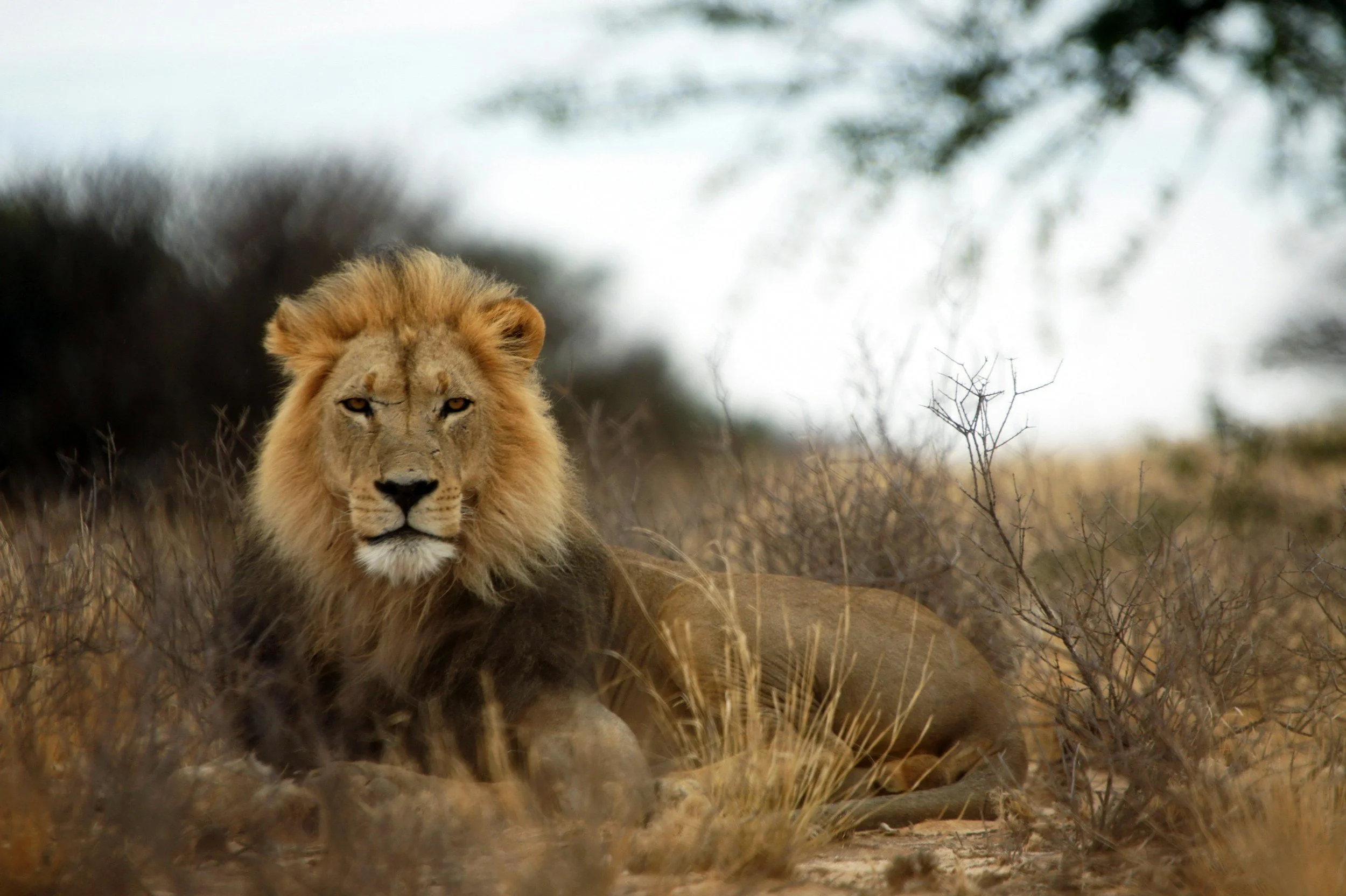
A lion spots me!
Whether you’ve just returned from an African safari, an Arctic expedition, a once-in-a-lifetime European adventure, or a family reunion that brought everyone together, a photo book is one of the best ways to turn hundreds or thousands of digital images into a story you can actually enjoy.
The key is not trying to include everything.
Start With the Story, Not the Photos
Before you start dropping pictures into pages, think about the story you want your book to tell.
For a trip, that story may naturally follow your itinerary: arriving in Cape Town, heading into the bush, the first game drive, spotting the Big Five, sundowners, and the journey home.
For a family reunion, the story might be organized around the people and events: arrivals, the big family dinner, cousins together, old family photographs, games, group photos, and goodbyes.
Having a basic structure before you begin makes choosing photos much easier.
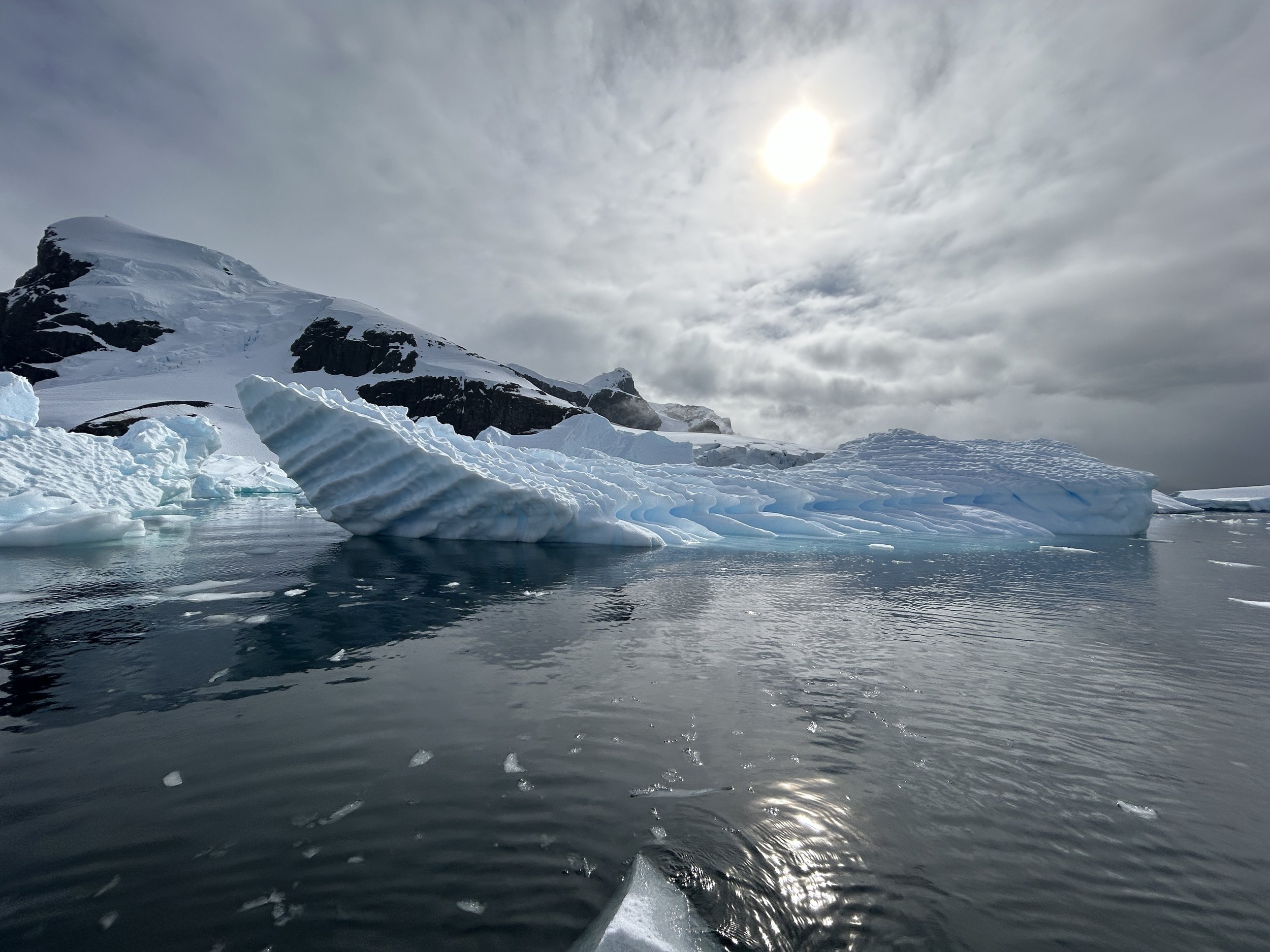
Gather Everything in One Place
Your phone probably isn’t the only place your photographs are hiding. Your spouse has photos. Your children have photos. Someone used a “real” camera. Your guide may have shared images. And inevitably, someone in the group captured the one moment everyone else missed.
Before designing anything, gather all those photos into one master folder or album.
Then organize them chronologically or by event. For a safari, you might have folders for Cape Town, Day 1 Safari, Elephants, Sundowners, and so on. For a reunion, you might organize by Friday Night, Family Dinner, Cousins, Group Photos, and Sunday Brunch.
Now you have the raw material for your story.
Be Ruthless About Choosing Photos
This is usually the hardest part. You do not need six photographs of the same elephant walking toward the watering hole. Pick the one that makes you feel like you’re standing there again.
Look for a combination of:
Establishing shots that show where you were
Beautiful portraits and group photos
Candid moments
Details that help tell the story
A few spectacular “wow” photographs
Funny or imperfect photos that capture what really happened
And don’t forget the people. It is easy to create a travel book filled with gorgeous scenery and later realize that you barely appear in it.
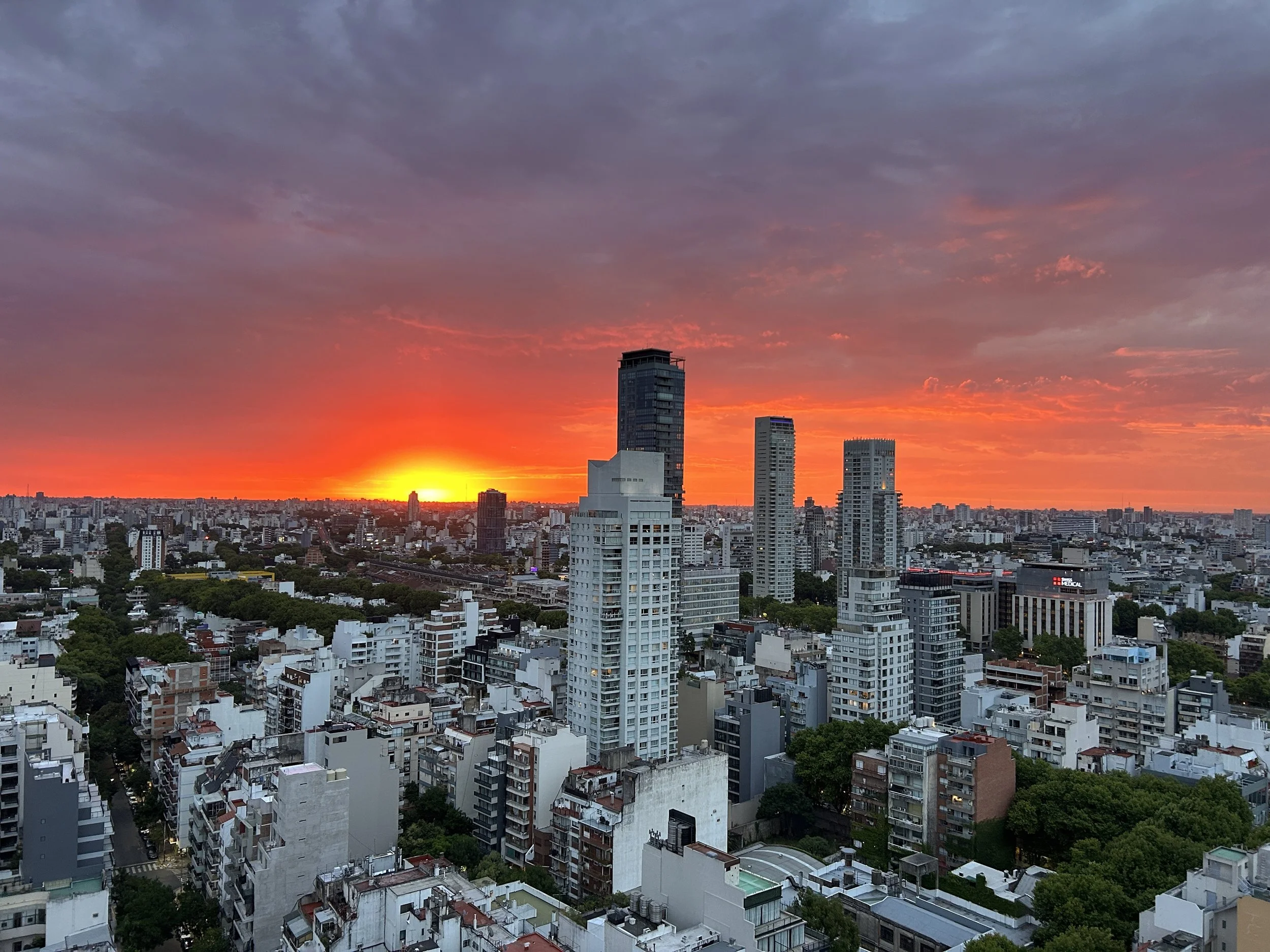
Let Some Photos Be the Star
Not every page needs eight photographs.
When you have an extraordinary image—a polar bear on the ice, an elephant at sunrise, your entire family together for the first time in ten years—give it room.
Use it across a full page or even a two-page spread.
Then use smaller images when you want to tell a sequence: getting into the Zodiac, landing on shore, hiking up the ridge, and finally seeing the view.
Changing the rhythm of your layouts makes the book much more interesting to look through.
Include the Things You’ll Forget
Photographs capture what something looked like. Words preserve the things a photograph can’t.
What was the name of your safari guide? What lodge did you stay at? What did your granddaughter say that made everyone laugh? What was that tiny restaurant where you had the best meal of the trip?
Add short captions, dates, locations, names, funny quotes, maps, itineraries, ticket stubs, menus, or even screenshots of a memorable text exchange.
You don’t need to write a novel. A few sentences can become priceless twenty years from now.
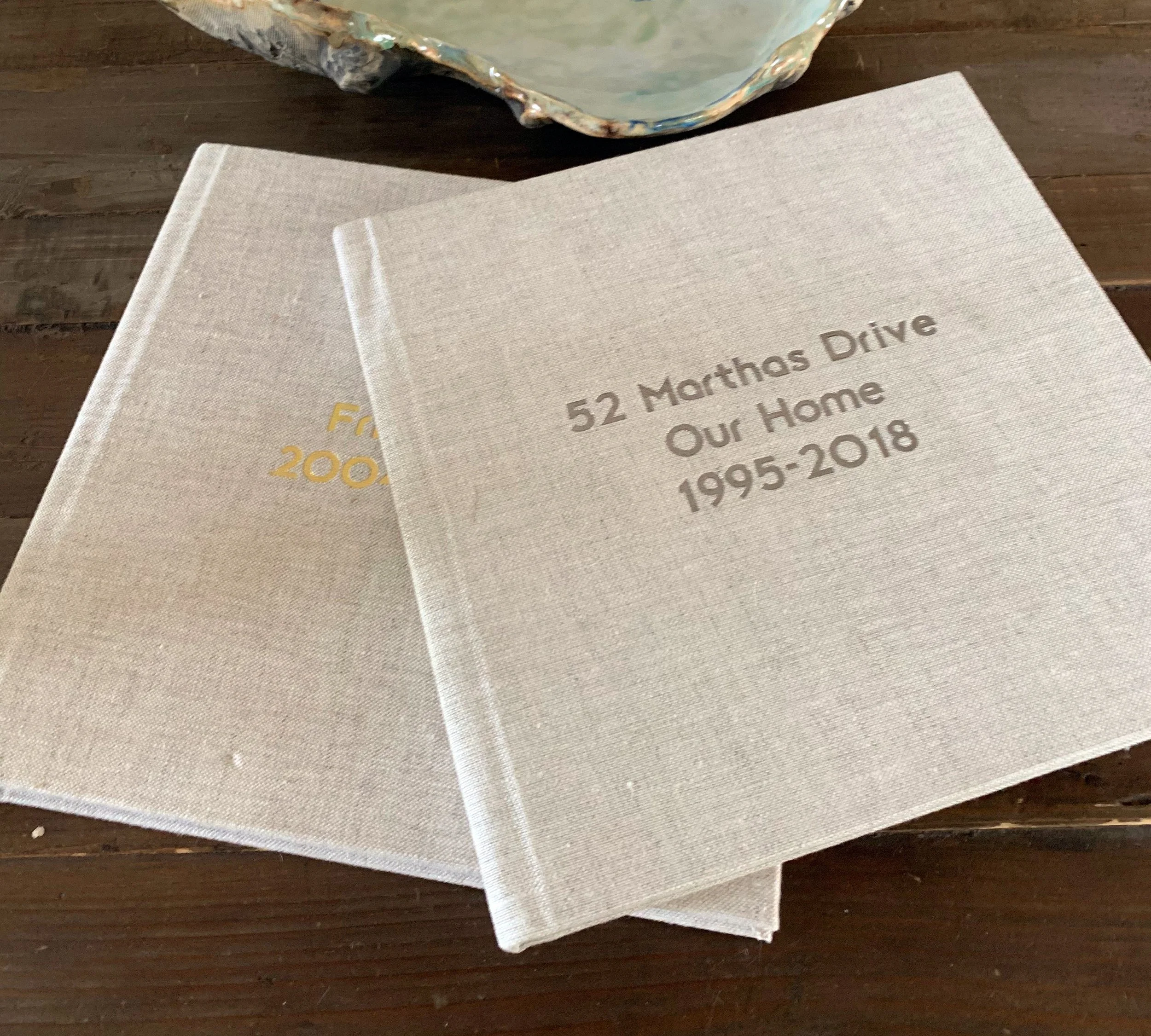
Don’t forget a beginning and an end.
Give your book a real opening. A title page with the destination, occasion, and date immediately provides context.
Then think about how you want it to end.
Maybe it’s your favorite photograph from the entire trip. Maybe it’s the whole family standing together. Maybe it’s a quiet sunset with one final sentence.
A thoughtful ending makes a photo book feel like a finished story rather than a collection of pictures that simply ran out of pages.
Finished Is Better Than Perfect
This may be the most important advice I can give you.
People often start a photo book, obsess over every page, get overwhelmed, and never finish it.
Your family would much rather have a wonderful book with one slightly crooked horizon than a perfect photo book sitting unfinished on your computer.
Create it. Proof it. Order it.
Then put it on the coffee table.
Because the best photographs aren’t the ones stored on your phone or buried on a hard drive. They’re the ones that bring you back to a place, a person, or a moment you never want to forget.
Here are 2 consumer facing companies I suggest based on their amazing customer service and ease of photo book curation software.